You Smile… We Smile...

A thin, light gray, wavy horizontal line centered on a white background.

You Smile… We Smile...

A thin, light gray, wavy horizontal line centered on a white background.

Surrey’s Premier Denture Clinic

Surrey’s Premier

Denture Clinic


At Sullivan Denture Centre, our specialized team is dedicated to crafting not just dentures and partials, but personalized smiles, ensuring every client's experience is marked by precision, care, and the unwavering commitment to delivering dentures that truly reflect the joy and confidence of our valued customers.

Meet Tricia


Tricia Thobaben, R.D. is a leader in the field of Denturism and removable prosthetics having earned high esteem from both her patients and fellow dental professionals. As the proud founder and owner of Sullivan Denture Centre in Surrey she brings 29 years experience and has actively contributed to her field, serving on the boards and committees of prestigious dental organizations. Tricia is dedicated to ensuring each client has a positive denture experience, fostering satisfaction and confidence in every patient.

Tricia Thobaben, R.D. is a leader in the field of Denturism and removable prosthetics having earned high esteem from both her patients and fellow dental professionals. As the proud founder and owner of Sullivan Denture Centre in Surrey she brings 27 years experience and has actively contributed to her field, serving on the boards and committees of prestigious dental organizations. Tricia is dedicated to ensuring each client has a positive denture experience, fostering satisfaction and confidence in every patient.

A smiling person with short, dark hair wearing a bright blue top against a light, neutral background.
Large black quotation mark symbol.

I just wanted you to know how much I appreciate you seeing me and taking the time to explain things. Seeing you has been one of the bright spots in this otherwise dreary dental tale. Thanks again.

A large, black double quotation mark icon centered on a white background.

Sandy

A smiling person with short, dark hair wearing a bright blue top against a light, neutral background.
Large black quotation mark symbol.

I just wanted you to know how much I appreciate you seeing me and taking the time to explain things. Seeing you has been one of the bright spots in this otherwise dreary dental tale. Thanks again.

A large, black double quotation mark icon centered on a white background.

Sandy

Large black quotation mark symbol.

I just wanted you to know how much I appreciate you seeing me and taking the time to explain things. Seeing you has been one of the bright spots in this otherwise dreary dental tale. Thanks again.

A large, black double quotation mark icon centered on a white background.

Sandy

Read More Reviews

Our Services


A person with silver-grey hair and bright red lipstick smiles warmly at the camera in a head-and-shoulders portrait.

Consultation

& Exam

A smiling person with gray hair and glasses wearing a checkered shirt, captured in a head-and-shoulders portrait.

Complete (Full) Dentures

Smiling person with short grey hair and black-framed glasses, set against an out-of-focus outdoor background.

Signature/

Suction Dentures

A person with curly grey hair smiling warmly at the camera outdoors with a soft, blurred natural background.

Immediate/Post Immediate Dentures

A smiling person wearing a beige sweater with one hand resting on a wooden cane.

Partial

Dentures

A smiling person with a shaved head and graying facial hair, wearing a denim shirt against a blurred, golden background.
Removable Dentures on Implants
A smiling individual with blonde hair wearing a green collared shirt, shown in a close-up headshot.

Denture Relines/

Rebases/Soft Liners

A close-up portrait of a smiling person with dark hair, a grey beard, and a bright red scarf against a blurred background.

Denture

Repairs

A person with dark, shoulder-length hair and small earrings smiles warmly against a plain, light-colored background.

Soft

Liners

A smiling person with white hair and glasses looking toward the camera.

Denture

Cleaning

Trust Our 27 Years Experience


At Sullivan Denture Centre, our service philosophy is built on attentive listening, genuine care, staying current with evolving denture technologies, and being there for our clients when they need us. With 27 years of experience, we have honed our expertise to provide not only exceptional denture solutions but also a compassionate and supportive environment. Trust in our decades of experience and unwavering dedication to your denture needs.

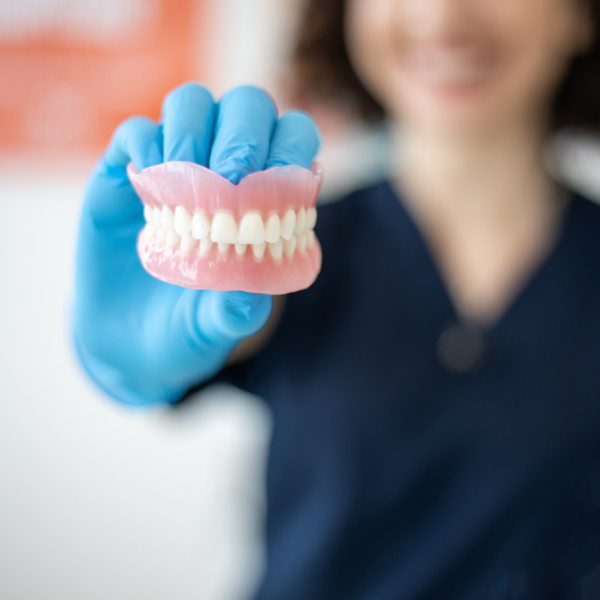
A gloved hand holds up a set of dentures for a dental procedure.

Trust Our 27 Years Experience


At Sullivan Denture Centre, our service philosophy is built on attentive listening, genuine care, staying current with evolving denture technologies, and being there for our clients when they need us. With 27 years of experience, we have honed our expertise to provide not only exceptional denture solutions but also a compassionate and supportive environment. Trust in our decades of experience and unwavering dedication to your denture needs.

A gloved hand holds up a set of dentures for a dental procedure.
A person with short white hair smiles warmly while leaning back against a sofa, wearing a floral patterned top.

Sullivan Denture Centre’s

Advanced Denture Clinic and Lab


Sullivan Denture Clinic uses the latest technology including digital and 3D printing capabilities. Our modern clinic and lab ensure precision and efficiency in crafting custom dentures tailored to each patients unique needs. Experience the future of denture care with Sullivan Denture Clinic, where innovation meets personalized service for your ultimate satisfaction.

A smiling person with white hair, wearing a patterned top, resting their arms on the back of a couch.

Sullivan Denture Centre’s Advanced Denture Clinic and Lab


Sullivan Denture Clinic uses the latest technology including digital and 3D printing capabilities. Our modern clinic and lab ensure precision and efficiency in crafting custom dentures tailored to each patients unique needs. Experience the future of denture care with Sullivan Denture Clinic, where innovation meets personalized service for your ultimate satisfaction.

A smiling person with white hair, wearing a patterned top, resting their arms on the back of a couch.

Sullivan Denture Centre’s Advanced Denture Clinic and Lab


Sullivan Denture Clinic uses the latest technology including digital and 3D printing capabilities. Our modern clinic and lab ensure precision and efficiency in crafting custom dentures tailored to each patients unique needs. Experience the future of denture care with Sullivan Denture Clinic, where innovation meets personalized service for your ultimate satisfaction.

Trust Our

27 Years Experience


At Sullivan Denture Centre, our service philosophy is built on attentive listening, genuine care, staying current with evolving denture technologies, and being there for our clients when they need us. With 27 years of experience, we have honed our expertise to provide not only exceptional denture solutions but also a compassionate and supportive environment. Trust in our decades of experience and unwavering dedication to your denture needs.

A gloved hand holds up a set of dentures for a dental procedure.
A small, fluffy, white dog with one brown ear standing on a green lawn.

  In my 55 years of using dentures, Trish is by far the most skilled and best Denturist that I have ever met.

A close-up shot of a golden retriever dog resting its chin on a smooth, dark-toned wooden surface.
A small, fluffy, white dog with one brown ear standing on a green lawn.

  In my 55 years of using dentures, Trish is by far the most skilled and best Denturist that I have ever met.

A close-up shot of a golden retriever dog resting its chin on a smooth, dark-toned wooden surface.

Cliff

Read More Reviews
A large, black, stylized pair of quotation marks.

  In my 55 years of using dentures, Trish is by far the most skilled and best Denturist that I have ever met.

A pair of large, black quotation marks on a white background.

Cliff

Read More Reviews

We Make it Easy


An icon consisting of two curved arrows arranged in a circle, representing a refresh or reload action.

Direct Insurance Billing

With 27 years of experience working with benefit providers, we bring a wealth of knowledge and expertise to effectively navigate and maximize clients' benefits.

A simple black-and-white icon of an unlocked padlock.

Lots of Free Parking

Accessible and accommodating, we offer the added convenience of ample free parking, eliminating the hassle for patients during their visits.

A white rectangular icon with a black border containing a right-pointing arrow, resembling an envelope or box.

Street Level Access

With street-level access, we prioritize ease of entry, enhancing the overall experience for patients and making our services more accessible to everyone.

A black-and-white icon of a small shop with a striped awning, a single door, and a window.

On Site Lab

Having an on-site lab means faster turnaround times, precise customization, and superb quality control for our clients

A simple, black-and-white icon of a clock with hands showing approximately 10:35.

Same Day Service

Most repairs and relines are done same-day, so patients experience minimal disruption to their daily lives.

A simple, red 11-pointed maple leaf icon on a white background.

Canadian Dental Care Plan

Canadian Dental

Care Plan

Quality Denture Care,

Now More Accessible

At Sullivan Denture Centre, we are a proud, local provider for the Canadian Dental Care Plan (CDCP), helping Surrey and area residents access the high-quality denture services they deserve. Whether you require complete standard dentures, partial dentures, or essential maintenance like repairs and relines, our team is here to help you navigate your coverage and maximize your benefits.

Learn More

Take A Tour


Latest News


by Sullivan Denture centre 18 June 2026
Struggling with a loose, sore, or slipping lower dentures? This complete guide from Sullivan Denture Centre in Surrey, BC covers every major lower denture problem — and exactly what to do about each one. Lower dentures are inherently harder to stabilize than upper ones because the lower jaw is smaller and lacks the suction surface of the palate. The most common problems — slipping, sore spots, difficulty chewing, and loosening over time — all have solutions. Those solutions range from adhesives and professional relining to implant-supported dentures. If your lower denture causes daily frustration, a visit to a licensed denturist is the fastest path to relief. If you wear a lower denture and it refuses to stay put, you are in the majority. Lower dentures generate more complaints than any other appliance in denture care — far more than upper dentures — and the reasons are rooted in anatomy, not craftsmanship. The good news: every major lower denture problem has a corresponding solution. Some you can manage at home. Others require a professional who can assess and adjust the fit. This guide covers both, drawing on the clinical realities that denturists at Sullivan Denture Centre in Surrey, BC see every day. Why lower dentures are harder to stabilize Upper dentures cover the entire palate, which gives them a large, flat, stationary surface to adhere to. The result: a near-airtight suction seal that keeps the appliance firmly in place. The lower jaw offers none of that. Lower dentures sit on a narrow, horseshoe-shaped ridge of bone that is far smaller than the upper palate. There is no closed surface for suction to form against. Add to that the constant movement of the tongue, cheeks, and lips with every word spoken and every bite taken, and it becomes clear why lower dentures require muscle adaptation that upper dentures do not. Several anatomical factors make fit even more challenging: Insufficient bone ridge height : If you have been without natural teeth for years, alveolar bone resorption — the gradual shrinkage of the jawbone after tooth loss — can flatten or narrow the lower ridge. A shallow ridge gives the denture less surface area to rest on. Tongue displacement : The tongue rests directly alongside the lower denture. Its movement during speaking, swallowing, and eating creates lateral forces that lift and shift the appliance. Muscle learning curve : Lips and cheeks that once coordinated with natural teeth need to re-learn how to hold a denture in position. This typically takes 6–12 weeks of consistent wear. What you can do : Wear your lower denture throughout the day, every day. The more you wear it, the faster the surrounding muscles adapt to keeping it stable. Removing it whenever it feels loose slows that adaptation considerably. Sore spots: causes and relief A lower denture that moves can rub. Friction between the acrylic base and soft gum tissue creates pressure sores — small, painful ulcers that typically appear on the lower gum ridge or the inside of the cheeks. Sore spots are one of the top reasons patients stop wearing their lower denture altogether. Common causes: Ill-fitting or loose denture : As the jaw changes shape over time, dentures that once fit perfectly start to create uneven pressure points. Movement translates directly into abrasion. New denture adjustment : In the first 2–4 weeks after receiving new dentures, some soreness is normal as gum tissue adapts to the appliance. Overextended denture borders : When the edges of the denture press too far into the soft tissue of the floor of the mouth, persistent soreness results. Denture stomatitis: Prolonged poor fit combined with inadequate cleaning can cause a yeast infection (candidiasis) beneath the denture, producing redness, swelling, and tenderness. Home relief options: Rinse with warm saltwater (½ tsp of salt in a glass of warm water) twice daily — this soothes inflammation and promotes healing. Remove the denture for at least 6–8 hours overnight to allow tissue to recover. Over-the-counter topical gels (benzocaine-based) can temporarily numb acute sore spots. When to see a denturist: If sores persist beyond 7–10 days, or if new sores develop after a period of comfort, the denture needs a professional assessment. Persistent rubbing from a poorly fitting appliance causes tissue damage that goes well beyond normal adjustment. Chronic sore spots are a direct signal the fit requires attention. Denture adhesive: help or a mask? Denture adhesive provides useful support for lower dentures — particularly in the first few months while the mouth is still adapting, or when small gum changes create a temporary reduction in fit. Used correctly, adhesive increases retention, reduces movement during meals, and adds a cushioning layer between the denture base and gum tissue. Our guide to dental adhesives and denture glue covers the different product types and proper application in detail. The important caveat: If you need large amounts of adhesive every single day just to keep the lower denture manageable, the adhesive is masking a fit problem rather than solving one. Well-fitting dentures require little to no adhesive. Chronic heavy adhesive use also: Builds up beneath the denture and distorts bite alignment over time Delays necessary professional treatment Masks progressive bone loss that continues to worsen without intervention The rule of thumb: Adhesive as occasional support — perfectly reasonable. Adhesive as a daily crutch for a visibly loose denture — see your denturist. Why lower dentures loosen over time This is one of the most common questions denturists hear: "My lower denture fit perfectly at first — why is it loose now?" The answer is alveolar bone resorption. Once natural teeth are removed, the bone that previously held their roots no longer receives stimulation from chewing forces. Without that stimulation, the body gradually reabsorbs the bone. This process begins within days of extraction and continues throughout life. The lower jaw typically experiences more rapid bone loss than the upper jaw. Research shows that bone height in the lower jaw can decrease up to four times faster than in the upper jaw over a 25-year period. As the ridge shrinks, the denture — custom-fitted to the original ridge shape — gradually loses contact with the tissue it rests on. The fit gap widens, movement increases, and sore spots return. This is normal biology, not a defect in the denture. What this means practically: Lower dentures typically need relining every 2–5 years as the jaw changes shape. Dentures that are 7–10 years old may be past their effective service life and need replacement rather than adjustment. Significant weight loss can accelerate this process, as changes in facial and jaw soft tissue also affect fit. Signs you need a reline A denture reline resurfaces the fitting side of the denture with new material shaped to match the current contour of your gum ridge. It is the primary clinical solution for a lower denture that has loosened due to bone and tissue changes. Signs that point to a reline: The denture lifts or rocks when you bite down It moves noticeably when you speak, laugh, or yawn Sore spots have developed or returned after a period of comfort You are using significantly more adhesive than before The denture feels lower in your mouth than it used to Food traps more easily underneath it At Sullivan Denture Centre, relines are completed in the on-site lab — which means same-day turnaround for most patients. No leaving without your denture, no waiting days for a return appointment. Our full breakdown of denture relining and rebasing explains the difference between a soft reline, hard reline, and a full rebase — and which situation calls for which. Reline vs. replacement : If the denture teeth are significantly worn, the bite has shifted, or the acrylic base is cracked or degraded, a reline may not be enough. In that case, a new denture is the better long-term investment. How to eat with a slipping lower denture Eating with a lower denture that slips is one of the most frustrating daily realities for many wearers. A few technique adjustments reduce movement considerably at mealtimes: Chewing technique: Chew on both sides of the mouth simultaneously rather than one side at a time. Unilateral chewing creates a rocking motion that lifts the denture on the opposite side. Take smaller bites and chew slowly. Large, rapid bites generate more force and more opportunity for displacement. Cut food into small pieces before placing it in your mouth — this applies especially to firm or chewy foods. Food choices: Avoid very sticky foods (caramel, gummy candy, dense peanut butter) — they pull the denture upward on release. Avoid hard foods that require heavy biting force (hard crusty bread, raw carrots, whole apples). Soft, moist foods are easiest: well-cooked vegetables, tender protein, softer bread varieties. Adhesive timing: If you use adhesive, apply it just before a meal — adhesive performance diminishes over several hours. Rinse the mouth before eating to remove any residue that reduces adhesive contact. These are management strategies, not fixes. If mealtimes consistently require vigilance to keep the lower denture in place, the underlying fit needs professional assessment. When implant-supported dentures make sense For patients where relining and adhesive no longer provide adequate stability — particularly those with significant bone loss or many years of lower denture wear — implant-supported dentures offer a fundamentally different level of security. An implant-supported lower denture uses 2–4 titanium implants placed into the jawbone. The denture snaps onto these implants, eliminating the movement that makes conventional lower dentures frustrating. Key benefits : The denture stays firmly in place during eating, speaking, and laughing — no rocking, no lifting Chewing force transfers through the implants to the jawbone, which actively slows further bone resorption No daily dependence on adhesive Patients consistently report significant improvements in confidence and quality of daily life Who is a candidate? Candidates need sufficient bone volume to place implants. Patients with severe bone loss may require a bone graft before implant placement. A thorough assessment by your denturist and the referring oral surgeon determines candidacy. At Sullivan Denture Centre, our denturists work with patients considering implant-supported solutions and can walk you through the three main attachment systems — bar-retained, ball-retained, and locator attachment — to help clarify which fits your situation. Our guide to dentures on implants covers each option in detail. Getting help in Surrey, BC If you are a lower denture wearer in Surrey or the Greater Vancouver area and your denture causes daily frustration, the starting point is a consultation with a licensed denturist. A denturist's training is entirely focused on removable dental prosthetics. At Sullivan Denture Centre, we have years of experience solving exactly the problems described in this guide. Every assessment, reline, repair, and new denture is completed in the on-site lab — which means same-day results in most cases. Sullivan Denture Centre also offers direct billing for patients covered under the Canadian Dental Care Plan (CDCP), reducing out-of-pocket costs for eligible patients who need relines, repairs, or new dentures. Book a consultation: Call (604) 577-0007 or visit sullivandentures.com . FAQ Why does my lower denture click when I eat? Clicking occurs when the denture shifts up and reseats repeatedly during chewing. It is a sign of insufficient retention and typically means a reline or professional assessment is needed. Can I sleep with my lower denture in? Most denturists recommend removing dentures at night. Overnight wear limits the gum tissue recovery time your mouth needs and increases the risk of fungal overgrowth beneath the appliance. Remove, clean, and soak your denture in water or a cleaning solution overnight. How often do lower dentures need to be replaced? Most dentures have a functional lifespan of 6–10 years. After that point, worn teeth, degraded acrylic, and cumulative bone changes typically make replacement more cost-effective than continued relining. Is it normal for a brand-new lower denture to feel loose? Some movement in the first 6–12 weeks is normal while surrounding muscles adapt. However, if the denture visibly rocks or lifts within the first few days, a follow-up adjustment appointment is warranted. Does the CDCP cover lower denture relines and rebases in BC? CDCP coverage for denture services including relines and rebases varies by patient eligibility and the specific procedure code. Sullivan Denture Centre offers direct CDCP billing and can verify your coverage at the time of your consultation. Sullivan Denture Centre is located in Surrey, BC. and served the community for over 29 years. Call (604) 577-0007 to book your assessment.

Custom partial denture appliance made at Sullivan Denture Centre in Surrey, BC
by Sullivan Denture Centre 26 May 2026
Everything you need to know about partial dentures in Surrey, BC — fit, cost, and CDCP coverage. Free consultations and direct billing available.
by Sullivan Denture Centre 14 April 2026
A denture can look perfectly fine but start to feel progressively looser as the years go by. If this is your experience, you are not alone. After tooth loss, the jawbone and soft tissues continue to resorb and remodel. That slow, natural change can leave a once secure denture rocking, rubbing, or slipping at inopportune moments. At Sullivan Denture Centre in Surrey, we focus on returning comfort and confidence with precise fit restoration. Two reliable paths do most of the heavy lifting: a reline or a rebase. Understanding the difference helps you know what to expect, how quickly we can help, and how to keep your denture fitting well over time. This guide explains why fit changes occur even when materials look sound, how we determine whether a reline or rebase is right, what a same-day reline visit involves in our on-site lab, how long results typically last, and when to book your next check. Why dentures loosen over time Your denture rests on living tissue, not on an unchanging surface. Once teeth are removed, the alveolar bone that supported them no longer receives the same stimulation. The body naturally remodels that bone, a process called resorption, and the overlying gums adapt as well. These gradual changes can: Reduce the height and width of the ridge under your denture Alter the contour of soft tissues Change how saliva distributes, affecting suction and comfort Even high-quality, well-made dentures will feel different as the foundation beneath them shifts. That is why a denture can appear intact while becoming loose or creating sore spots. Reline vs. rebase, in plain terms Both services refresh fit. The difference lies in how much of the denture is updated. Reline: We resurface or replace the internal fitting surface of your existing denture so it conforms to your current gum contours. The teeth and the outer shape remain the same. A reline is ideal when the denture teeth, bite, and acrylic base are otherwise in good condition, but the inside has lost close contact with your tissues. Rebase: We replace the entire acrylic base while keeping your current denture teeth and their arrangement. A rebase is chosen when the base has degraded, is discoloured or porous, has small fractures, or when the shape changes needed exceed what a reline can correct. It strengthens and refreshes the foundation without changing the tooth setup you are used to. When a reline is enough We typically recommend a reline when: The denture is generally sound, but it feels loose or rocks You have developed sore spots from uneven pressure Your bite still feels correct and the teeth show normal wear The acrylic base is intact without cracks or significant staining You recently had extractions or an immediate denture and your tissues are still settling In these cases, updating the internal fit restores close contact, improves suction and stability, and relieves pressure points without a full remake. When a full rebase is the better answer We recommend rebasing when: The acrylic base has microfractures, has become porous or discoloured, or has absorbed odours The denture has been repaired multiple times and needs structural renewal There are pronounced anatomical changes that a reline alone cannot adapt to The base thickness or shape requires correction for durability and stability You need a stronger foundation to support your current teeth long term Rebasing preserves the tooth arrangement you like while giving you a fresh, durable base. Our assessment process Every fit restoration begins with a careful evaluation by a licensed denturist. At Sullivan Denture Centre, your clinician examines: Overall denture condition, tooth wear, bite relationship, and base integrity Tissue health, ridge anatomy, and areas of soreness or instability Retention and stability during speech and function We use precise impressions or digital scans to capture your current anatomy. Our on-site lab allows for workflows with enhanced accuracy and speed. Based on clinical findings, we will recommend a reline or a rebase and provide a clear estimate and timeline. If you are navigating the Canadian Dental Care Plan, our team can discuss eligibility, frequency limits, and direct billing to Sun Life for covered services. If you are looking for a trusted team and convenient access in Surrey, start with a consultation at Sullivan Denture Centre. Many patients simply search for a denturist near me, but a direct visit to our site gives you the most accurate picture of our services and on-site lab capabilities. What a same-day reline visit involves Our on-site laboratory allows many relines to be completed the same day, minimizing disruption. A typical reline appointment includes: Fit check and planning : Your denturist identifies pressure points and confirms that a reline will meet your goals. Precision impression or scan : We capture your current tissue contours while you gently close into a comfortable bite. In-lab processing : Your denture goes to our in-house lab for controlled processing of the new internal surface. Having the denturist and technician side by side supports accuracy and quick adjustments. Refitting and polish : We reseat your denture, assess comfort, refine pressure points, and polish for a smooth, clean finish. Home care and follow-up : You receive instructions for cleaning and what to expect as your tissues settle. Minor adjustments, often complimentary, are scheduled as needed. Most patients leave the same day with a noticeably more secure fit. If your case is more complex, we will explain the steps and timeline before beginning. Turnaround for rebasing A rebase is a more involved laboratory process than a reline. Because we replace the entire acrylic base while preserving the teeth, we plan the sequence to protect accuracy. Many cases have a prompt turnaround with our in-house lab; if your situation requires additional steps, we will outline a practical schedule and arrange a comfortable temporary solution when appropriate. How long results typically last Tissues continue to change gradually. As a general guideline: Relines are commonly needed every 1 to 3 years, depending on bone resorption, health changes, and daily wear patterns. Rebases refresh the foundation and can extend the service life of your current teeth, but timelines vary with anatomy, hygiene, and function. Complete replacement is often evaluated around the 5 to 10 year mark, especially when teeth are worn, bite relationships shift, or facial support changes. Your denturist will tailor recommendations to your case and provide clear signs to watch for, such as new sore spots, looseness, or speech changes. Follow-up and ongoing care We recommend annual fit checks. A short visit allows us to detect early changes, relieve pressure points, and plan the right intervention before problems escalate. Some patients benefit from bi-annual reviews, particularly during the first year after extractions or when managing significant resorption. Proper daily cleaning with non-abrasive cleansers, careful handling, and drying your denture overnight can also protect fit and materials. If cost or coverage is a concern, ask us about CDCP support, pre-authorization for partials, and direct billing. We will help you understand what is included and how frequency limits may apply to relines. Short FAQ When is a reline enough and when is a rebase needed? A reline is appropriate when the denture is structurally sound and only the internal fit needs updating. A rebase is indicated when the acrylic base is worn, cracked, porous, or when anatomical changes exceed what a reline can address. How do jawbone and tissue changes affect fit? Bone resorption and soft tissue remodeling gradually reduce and reshape the ridge that supports your denture. Even a well-made denture can loosen as the foundation shifts. What happens during a same-day reline? After a fit assessment, we take a precision impression or scan inside your denture, process the new fitting surface in our on-site lab, then refit, adjust, and polish so you can leave with improved comfort the same day in many cases. How long will results last, and how often should fit be reassessed? Relines typically last 1 to 3 years, and we recommend an annual check. Rebases extend the life of your current teeth with a refreshed base, but timing varies. Full replacement is often evaluated around 5 to 10 years. The takeaway A loose denture does not mean starting over. A targeted reline can restore close contact and comfort when the denture is otherwise sound. When the base itself needs renewal, a rebase strengthens the foundation while preserving the teeth you already like. With licensed denturists overseeing care and an on-site lab for efficient processing, Sullivan Denture Centre provides precise, timely solutions and thoughtful follow-up.  If you are noticing movement, sore spots, or slipping, book an assessment. We will help you decide on the right path and keep your fit on track with regular reviews. To learn more about our team, services, and convenient Surrey location, visit Sullivan Denture Centre .
Show More